
I used Shazam to discover Electricity (Acoustic) by Silk City & Dua Lipa Feat. Diplo & Mark Ronson. https://www.shazam.com/track/444214213/electricity-acoustic
And it was good…
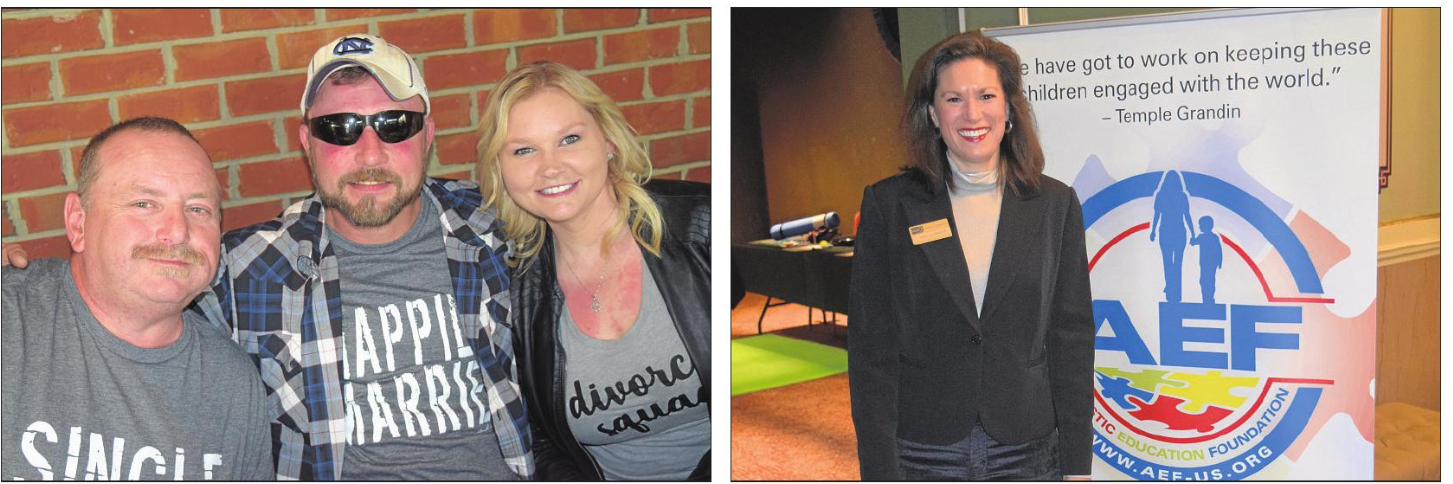
Hoppin’ Around Hickory Print and E-Edition for the week of April 4th



Daily Readings for Thursday, April 4th
24 Hours a Day
Meditation for the Day
You cannot help others unless you understand the person you are trying to help. To understand the problems and temptations of others, you must have been through them yourself. You must do all you can to understand others. You must study their backgrounds, their likes and dislikes, their reactions and their prejudices. When you see their weaknesses, do not confront the person with them. Share your own weaknesses, sins, and temptations and let other people find their own convictions.
Prayer for the Day
I pray that I may serve as a channel for God’s power to come into the lives of others. I pray that I may try to understand them.
Language of Letting Go
Negotiating Conflicts
Recovery is about more than walking away. Sometimes it means learning to stay and deal. It’s about building and maintaining relationships that work.
—Beyond Codependency
Problems and conflicts are part of life and relationships – with friends, family, loved ones, and at work – problem-solving and conflict negotiation are skills we can acquire and improve with time.
Not being willing to tackle and solve problems in relationships leads to unresolved feelings of anger and victimization, terminated relationships, unresolved problems, and power plays that intensify the problem and waste time and energy.
Not being willing to face and solve problems means we may run into that problem again.
Some problems with people cannot be worked out in mutually satisfactory ways. Sometimes the problem is a boundary issue we have, and there is not room to negotiate. In that case, we need to clearly understand what we want and need and what our bottom line is.
Some problems with people, though, can be worked out, worked through, and satisfactorily negotiated. Often, there are workable options for solving problems that we will not even see until we become open to the concept of working through problems in relationships, rather than running from the problems.
To negotiate problems, we must be willing to identify the problem, let go of blame and shame, and focus on possible creative solutions. To successfully negotiate and solve problems in relationships, we must have a sense of our bottom line and our boundary issues, so we don’t waste time trying to negotiate non-negotiable issues.
We need to learn to identify what both people really want and need and the different possibilities for working that out. We can learn to be flexible without being too flexible. Committed, intimate relationships mean two people are learning to work together through their problems and conflicts in ways that work in both people’s best interest.
Today, I will be open to negotiating conflicts I have with people. I will strive for balance without being too submissive or too demanding. I will strive for appropriate flexibility in my problem-solving efforts.
Smile in the Face of a Perfect Stranger…

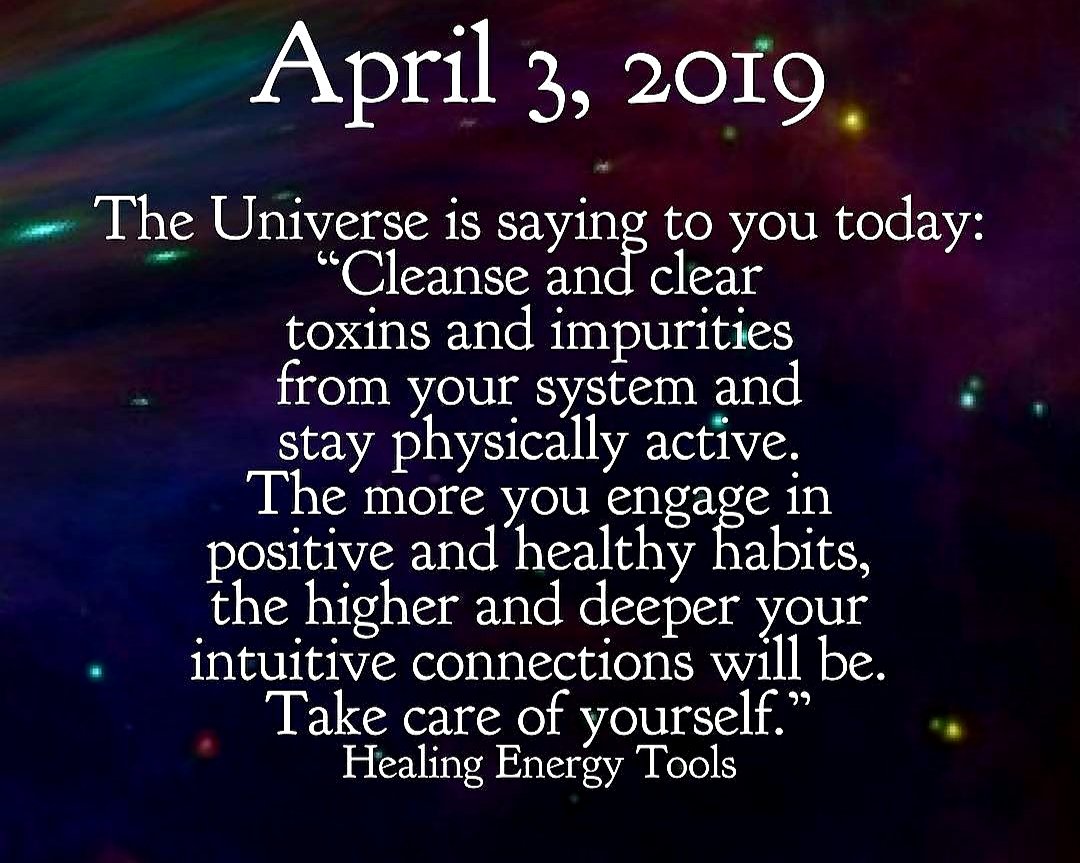
Cleanse and Clear…
The Light Shines in the Darkness…

My daughter and I working together…

Left – August of 2018 Right – April of 2019
Readings for Wednesday, April 3rd
24 Hours a Day
Meditation for the Day
Remember that the first quality of greatness is service. In a way, God is the greatest servant of all, because He is always waiting for us to call on Him to help us in all good endeavor. His strength is always available to us, but we must ask it of Him through our own free will. It is a free gift, but we must sincerely seek for it. A life of service is the finest life we can live. We are here on earth to serve others. That is the beginning and the end of our real worth.
Prayer for the Day
I pray that I may cooperate with God in all good things. I pray that I may serve God and others and so lead a useful and happy life.
Language of Letting Go
Acceptance
Surrender to the moment. Ride it out and through, for all it’s worth. Throw yourself into it.
Stop resisting.
So much of our anguish is created when we are in resistance. So much relief, release, and change are possible when we accept, simply accept.
We waste our time, expend our energy, and make things harder by resisting, repressing, and denying. Repressing our thoughts will not make them disappear. Repressing a thought already formed will not make us a better person. Think it. Let it come into reality. Then release it. A thought is not forever. If we don’t like it, we can think another one or change it. But to do that, we must accept and release the first thought.
Resistance and repression will not change a thing. They will put us at war with our thoughts.
We make life harder by resisting and repressing our feelings. No matter how dark, how uncomfortable, how unjustified, how surprising, how inappropriate we might deem our feelings, resisting and repressing them will not free us from them. Doing that will make them worse. They will swirl inside us, torment us, make us sick, and make our body ache, compel us to do compulsive things, keep us awake, or put us to sleep.
In the final analysis, all that we’re really called on to do is accept our feelings by feeling them, and saying, Yes, this is what I feel.
Feelings are for the present moment. The more quickly we can accept a feeling, the more quickly we will move on to the next.
Resisting or repressing thoughts and feelings does not change us or turn us into the person we want to be or think we should be. It puts us in resistance to reality. It makes us repressed. Eventually, it makes us depressed.
Resisting events or circumstances in our life does not change things, no matter how undesirable the events or circumstances may be.
Acceptance turns us into the person we are and want to be. Acceptance empowers the events and circumstances to turn around for the better.
What do we do if we’re in resistance, in a tug of war with some reality in our life? Accepting our resistance can help us get through that too.
Acceptance does not mean we’re giving our approval. It does not mean surrendering to the will and plans of another. It does not mean commitment. It is not forever. It is for the present moment. Acceptance does not make things harder; it makes things easier. Acceptance does not mean we accept abuse or mistreatment; it does not mean we forego boundaries, our hopes, dreams, desires, wants, or ourselves. It means we accept what is, so we know what to do to take care of ourselves and what boundaries we need to set. It means we accept what is and who we are at the moment, so we are free to change and grow.
Acceptance and surrender move us forward on this journey. Force does not work.
Acceptance and surrender – two concepts that hurt the most before we do them.
Today, I will practice accepting my present circumstances and myself. I will begin to watch and trust the magic that acceptance can bring into my life and recovery.
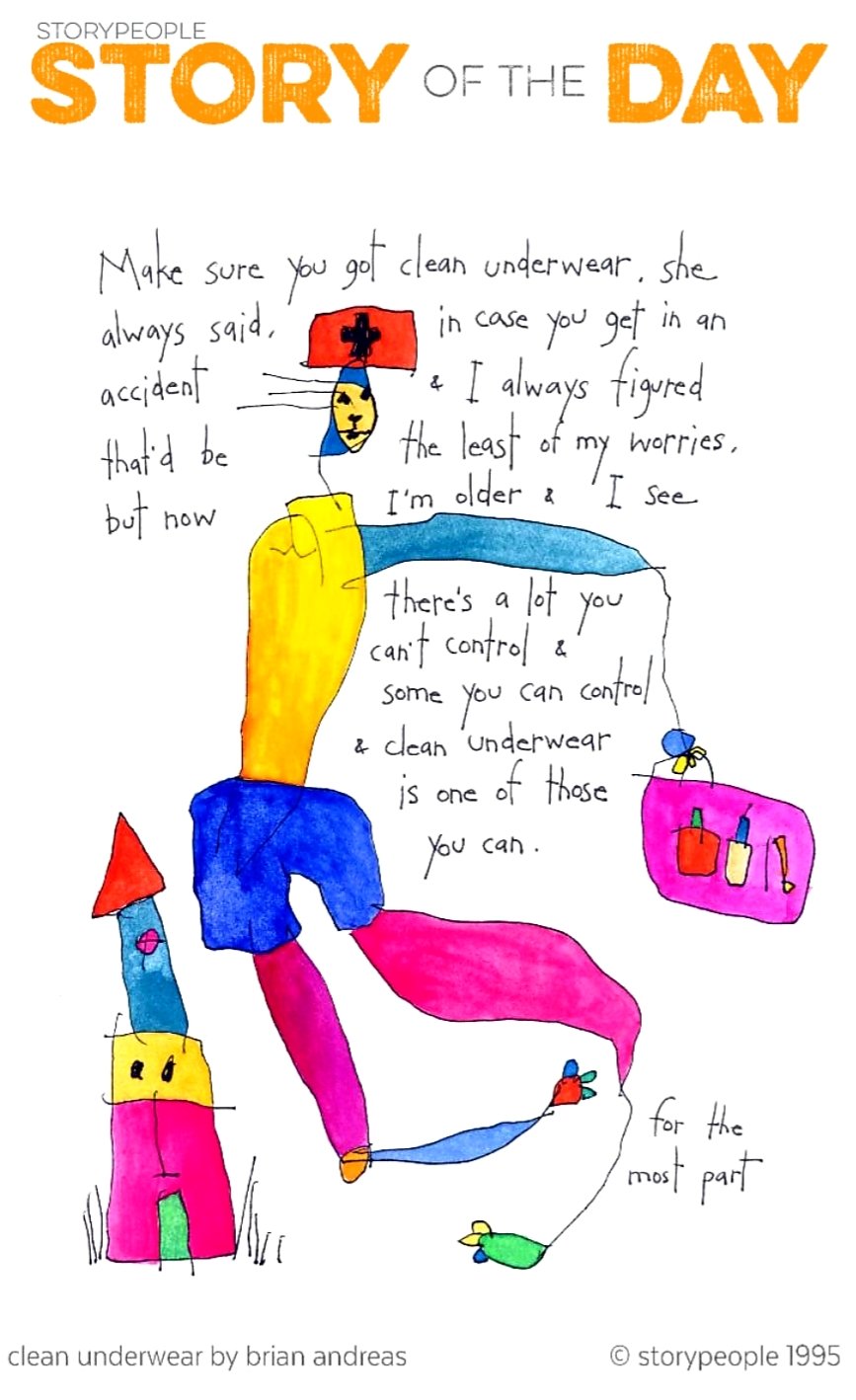
There’s a Lot You Can’t Control…
 David Lee